

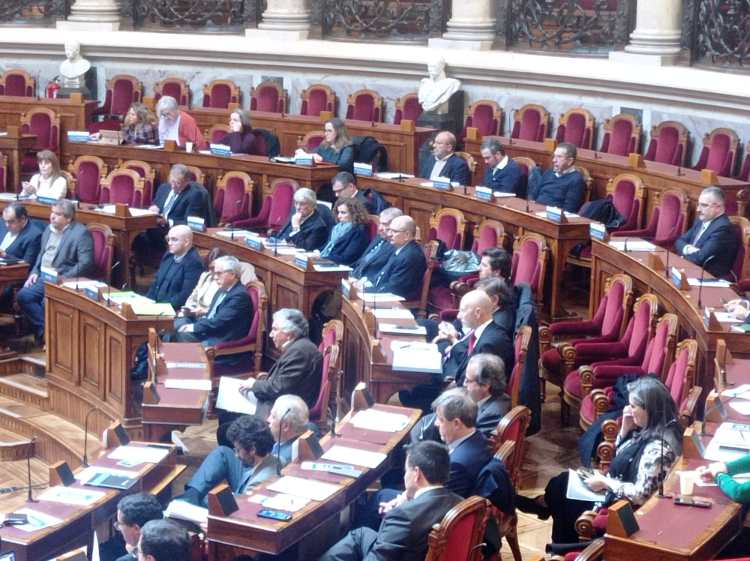
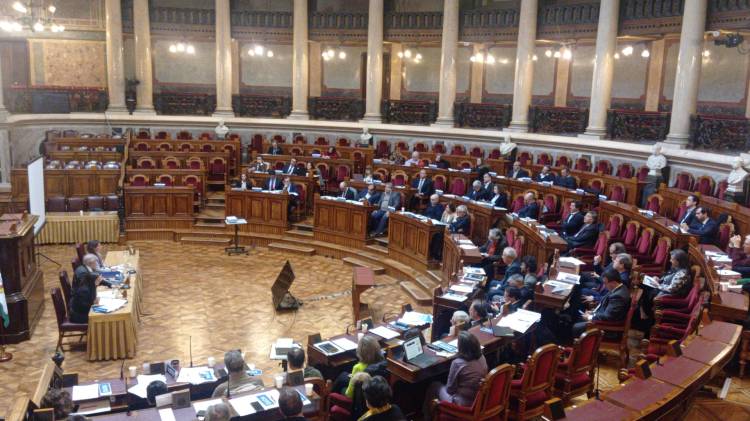
Orlando Monteiro da Silva, President of the ANPL Board, and Carla Castro, President of the Advisory Board, took office at the CES plenary session on 27 January in the Senate Chamber of the Assembly of the Republic, representing Liberal Professions.
ANPL considers the role of the Economic and Social Council and the civil society it represents to be essential, as well as the promotion of social and cultural change regarding how governments and legislators view liberal professionals and their businesses. ANPL is committed to collaborating with CES in promoting and implementing broad, profound, and structural changes, shaping the future of professions and liberal professionals.
We extend our greetings to the President of CES, Dr Luís Pais Antunes, as well as the Councillors who made it possible for ANPL’s candidacy to be considered to represent the liberal professionals of Portugal.
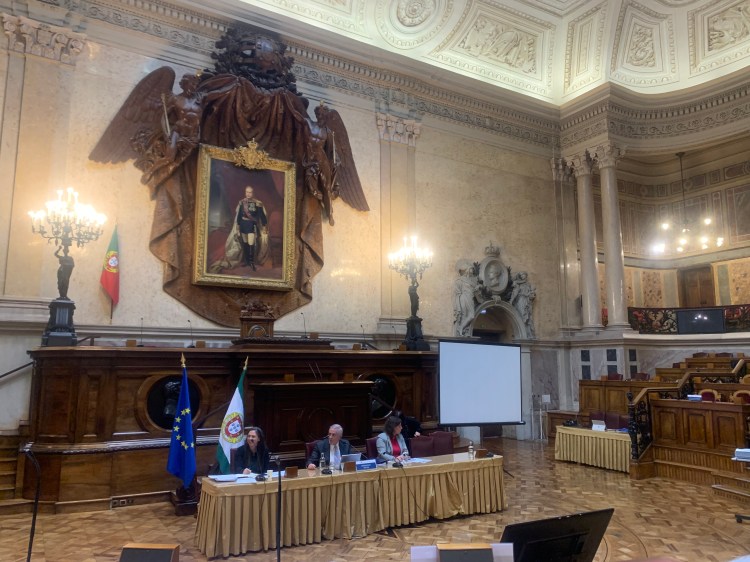
About ANPL
The National Association of Liberal Professionals (www.anpl.pt) positions itself in Portugal as the voice for defending and promoting liberal professionals, freelancers, and consultants, understood as “holders of intellectual qualifications, including those of an artistic and cultural nature, promoting their responsibility, autonomy, and independence in the best interest of consumers and the community in general.”
The members of ANPL’s statutory bodies, a non-profit legal entity, do not receive any remuneration for carrying out this activity. ANPL is registered in the EU Transparency Register under TR ID number 742011744953-87.
ANPL is an observer member of CEPLIS (https://ceplis.org/observer-members/), the only interprofessional organisation of liberal professions within the European space.
About CES
The Portuguese Economic and Social Council (CES) is a constitutional body for consultation and social dialogue. Its main objectives include promoting the participation of economic and social agents in decision-making processes of sovereign bodies on socioeconomic matters, serving as the primary space for dialogue between the Government, Social Partners, and other representatives of organised civil society.

 Associação Nacional dos Profissionais Liberais